When a child is sick, it is vital to determine why, and quickly. Whether a child has a fever, cough, or diarrhea, the family needs access to a trusted person who is trained and equipped to diagnose and treat illness in children. Bringing that care closer to communities takes more than training or supplies—it takes partnership.
In Nigeria, the Rotary Healthy Communities Challenge (RHCC) is building those partnerships to create change and support lasting impact. In Kebbi and Akwa Ibom states, the project brings together government leadership, Rotary members’ advocacy skills, community health workers’ local knowledge, and PATH’s technical expertise to work within local and national health systems. Together, they are strengthening access to integrated community case management (iCCM) for children under five and building the relationships and processes needed to sustain it.
One community platform, care for three childhood illnesses
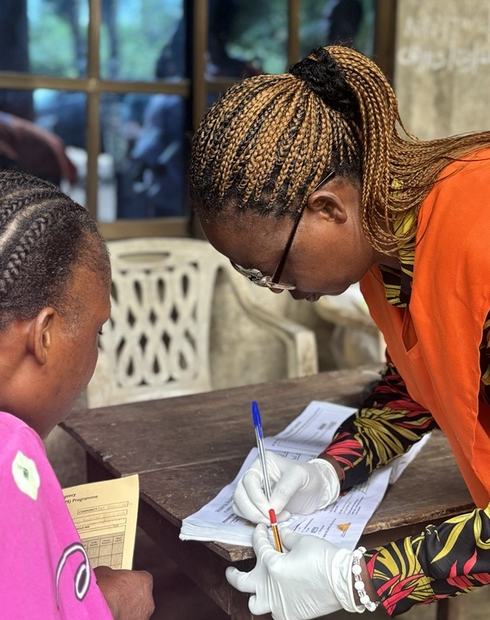
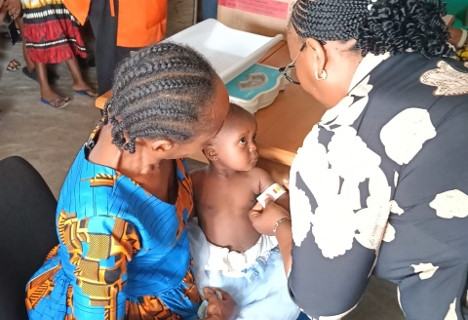
Through iCCM, trained community health workers diagnose and treat malaria, pneumonia, and diarrhea—the top killers of children under five in Nigeria. If a child has symptoms of severe disease or severe acute malnutrition, the community health worker refers them to the nearby health facility for higher level care. This integrated approach brings essential services into communities and connects households with the wider primary health care system.

Luba Sani, an RHCC-supported community health worker in Kebbi State, checks a child for their nutrition status as part of her routine services. Photo: PATH.
Prior to RHCC, community health workers in Kebbi and Akwa Ibom States could only provide limited care to their communities and did not have complete or consistent commodities, supportive supervision, or up-to-date training. By establishing iCCM, community health workers are equipped with the knowledge, materials, and supervisory services they need to provide a wider range of basic primary care services and counseling to their communities. iCCM can also remove barriers to accessing care that many families with children face, for example, the cost of transport to the health facility.
RHCC provides this support through close collaboration with the State Primary Health Care Development Agencies (SPHCDA) to strengthen their community-based care system and establish iCCM. The SPHCDA guides implementation, and PATH provides technical expertise and operational support. Training also includes guidelines for data entry and management, so the SPHCDA and other stakeholders can access high-quality community-level data about the services that the CHWs provide.
Turning advocacy into a foundation for lasting care
Sustainable community health care cannot rely only on investment from international donors. It should also benefit from domestic financing sources to deliver lasting impact and encourage country ownership of programs.
To support this objective, Rotary members bring an important contribution to this partnership: sustained advocacy that connects community needs with government priorities. For example, Rotary members engage state governments to make the case for government funding for non-malaria commodities—the medicines and supplies needed to deliver pneumonia and diarrhea services to communities.
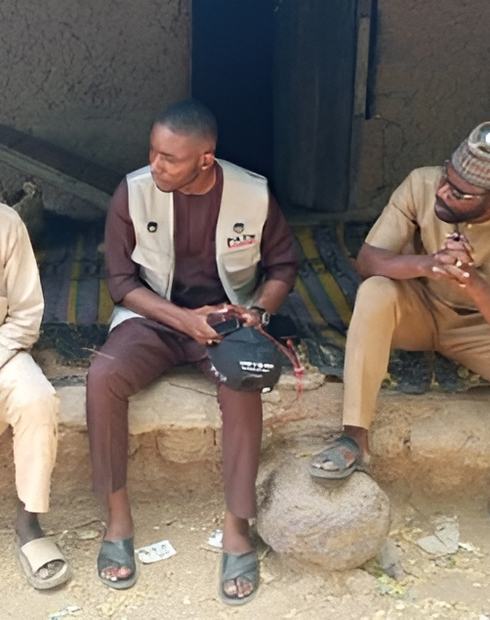
Already in Kebbi State, the Honorable Commissioner for Health, Samaila Yakubu Augie, has confirmed the inclusion of non-malaria iCCM commodities in the state’s routine procurement schedule for essential medicines, a critical step in allocating government funding.
By working with state leaders and the SPHCDA, Rotary members are keeping sustainable financing on the agenda. Rotary members’ passion for service contributes to advocacy, visibility, and community engagement and complements PATH’s implementation support and government leadership, promoting a more resilient system for community care.

The Honorable Commissioner for Health, Samaila Yakubu Augie, meets with RHCC in October 2026, in Kebbi State. Photo: PATH.
Supporting cross-sector collaboration
RHCC strengthens government partnerships by bringing together different units of the Nigerian Ministry of Health to support iCCM implementation.
The makeup of the state-level iCCM planning and implementing team demonstrates this cross-sector collaboration. Trainers and mentors are drawn from ministry of health units that represent the modules of the community health worker program: the state malaria program; the Logistics Management Coordination Unit; the Health Management Information Systems office; the local government area health authorities; and the nutrition, maternal, and child health arms of the SPHCDA.
This collaboration ensures subject matter experts are available to provide local context and guidance imperative to efficient and effective program implementation that is aligned to state-government priorities. By working through government structures, the approach strengthens local ownership and lays the foundation for sustainability beyond the life of RHCC.
PATH is proud to be part of the RHCC partnership, collaborating with Rotary members, government, and health workers in Nigeria. Strengthening the connections among these partners is an investment in the health system.
From community health worker engagement to Rotary members’ advocacy, RHCC is supporting Nigeria in bringing care closer to families; making higher-quality community-level data available to decision-makers; and building the pathways needed to support iCCM implementation.
Together, these efforts build a stronger foundation for community health services beyond the life of a single project and reflect what sustainable health systems strengthening should look like: integrated services; government ownership; and community involvement around a shared goal. And for children under five in Kebbi and Akwa Ibom, the promise of this collaboration means care is closer, more connected, and built to last.