As the global health community marked World Pneumonia Day last week, a new report from the Global Oxygen Alliance (GO₂AL) highlights progress in expanding access to lifesaving medical oxygen while underscoring the work that remains. Increasing Access to Medical Oxygen: Do More Together showcases how countries and partners are strengthening oxygen systems around the world.
Pneumonia remains one of the leading infectious causes of death worldwide, particularly among young children, and oxygen is one of the most important treatments for severe respiratory illness. Yet many health facilities still struggle to provide reliable access to medical oxygen. The GO₂AL report shows how governments, donors, civil society organizations (CSOS), health workers, and technical and industry partners are working together to strengthen oxygen systems and close longstanding access gaps.
For PATH, the report reflects years of collaboration with countries and partners to improve oxygen access, from emergency response during COVID-19 to long-term efforts to build stronger, more sustainable health systems.
Supporting countries to build stronger oxygen systems
One of the report's central themes is the importance of country leadership. Lasting improvements in oxygen access depend on strong national plans, financing, and data systems that help governments understand needs and target resources where they are needed most.
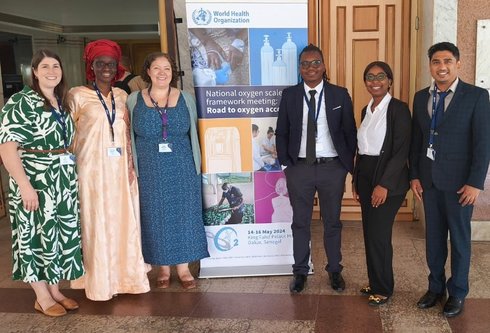
Collaboration and country-led approaches have long been central to PATH’s work, including its efforts alongside governments and partners to strengthen oxygen planning and coordination. This includes supporting the development of national oxygen roadmaps—in Burkina Faso, Kenya, Malawi, and Zambia, among others—and helping countries incorporate oxygen indicators into routine health information systems so decision-makers can better track progress and prioritize investments.
These efforts have helped shift oxygen from an emergency response issue to a long-term health system priority. By supporting national leadership and coordination, governments are better positioned to strengthen oxygen services for patients with pneumonia, newborn complications, surgical needs, COVID-19, and many other conditions.
“Oxygen is not a luxury. It is a basic medical necessity. The [Kenya] roadmap offers an evidence-based, coordinated approach to ensure oxygen access to the people who need it most when they need it.”— Carolyne Njuguna, PATH East Africa Hub and Kenya Country Director

Closing the gap between oxygen supply and patient care
Access to oxygen requires far more than oxygen production alone. Patients also need the equipment, supplies, and trained staff that allow oxygen to be delivered safely and effectively at the bedside.
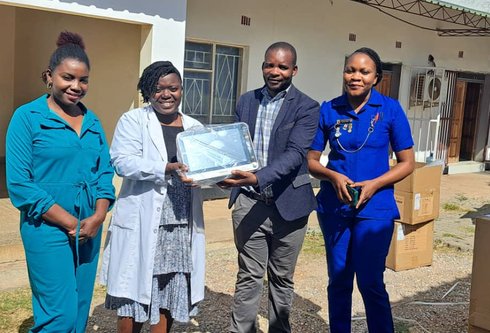
As one example, PATH has worked to address this challenge through the Oxygen Delivery Gap Fund. Through the initiative, more than 100,000 oxygen-related products, including masks, nasal cannulas, flowmeters, regulators, and patient monitors, were supplied across multiple African countries to help ensure oxygen reaches patients who need it.
Complementing these efforts, PATH has worked to strengthen maintenance systems and improve access to spare parts, helping hospitals keep oxygen equipment operational and reducing disruptions to patient care. Together, these investments help translate oxygen availability into actual oxygen access.
Equally critical is building a skilled health workforce. PATH and partners have supported health workers, engineers, and technicians with the skills needed to deliver oxygen therapy safely and keep oxygen systems functioning effectively. From newborn care programs to broader capacity-strengthening efforts, these investments help ensure that oxygen systems deliver better outcomes for patients.

PATH staff deliver oxygen supplies from the Oxygen Delivery Gap Fund to Tumbi Regional Referral Hospital in Kibaha, Tanzania, which serves a population of over 2 million. Photo: PATH.
Looking ahead: Innovation, advocacy, and partnership
While significant progress has been made, especially since the COVID-19 pandemic brought global attention to oxygen shortages, the report makes clear that much work remains. Millions of people still lack access to reliable oxygen services, particularly in low- and middle-income countries.
To help address this challenge, PATH is leading the Innovations for Enhanced Access to Oxygen (INNOVATE) project, a four-year initiative that will test promising technologies and service delivery approaches across multiple countries. The goal is to identify solutions that can make oxygen systems more affordable, reliable, and sustainable.
The report also recognizes the growing role of civil society in advancing oxygen access. With support from PATH and partners, the first CSO coalitions for medical oxygen access have emerged in countries like Kenya, Malawi, Tanzania, and Zambia, helping raise awareness, engage policymakers, and ensure community voices are represented in national discussions about oxygen access and health system priorities.
“The [INNOVATE] project focuses on practical solutions that reduce complexity, lower operating costs, and make maintenance easier. Our goal is to help countries move from fragile systems to dependable oxygen access for every patient.”— Nikolaj Gilbert, President and Chief Executive Officer, PATH

Community members participate in aerobics during Zambia's 2026 World Oxygen Day commemoration, part of a broader effort to engage the public in conversations about oxygen access and respiratory health. Photo: PATH.
Do more together
The report’s theme, "Do more together," reflects a defining lesson from recent years: No single organization can solve the oxygen access challenge alone. Progress depends on governments, health workers, advocates, donors, industry partners, and communities working together toward a shared goal.
The report serves as both a celebration of what has been achieved and a call to action for the work ahead. As countries continue to strengthen oxygen systems, the partnerships highlighted throughout the report demonstrate what is possible when organizations work together to ensure that lifesaving oxygen is available whenever and wherever it is needed.