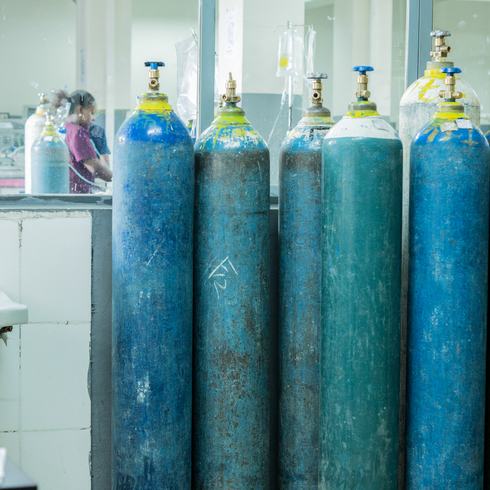
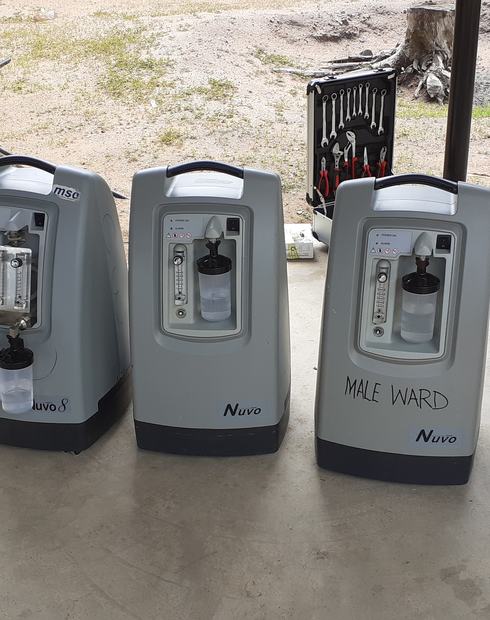
Medical oxygen is an essential medicine that saves lives every day. It is critical for treating pneumonia, severe respiratory conditions, complications during childbirth, malaria, and other life-threatening illnesses. For decades, access to medical oxygen has been a challenge for many communities in Tanzania, due to infrastructure limitations, supply chain barriers, and persistent misconceptions about its use.
To address these challenges, PATH—under the East African Program on Oxygen Access (EAPOA) project—is bringing together government institutions, civil society organizations (CSOs), community leaders, and community health workers (CHWs) in Tanzania to improve awareness, increase demand for oxygen services, and support sustainable access to lifesaving oxygen systems.
More than an infrastructure problem
Improving access to medical oxygen requires more than expanding production and distribution systems. While infrastructure remains a significant barrier, misconceptions about oxygen therapy can also prevent people from seeking care or accepting treatment when it is needed. In some communities, oxygen is viewed as a treatment used only in the most severe cases, creating fear and hesitation among patients and families around its use for therapy.
Recognizing that community understanding is essential to improving oxygen access, EAPOA combines infrastructure investments with community engagement and advocacy. The project works to ensure that communities help identify barriers and contribute to solutions that are practical, affordable, and sustainable.
“After participating in the orientation training on oxygen, I have now witnessed how oxygen saves lives and will become a good ambassador to my community and people surrounding me.”— Mr. Obed Mtagulwa, sociologist and community health worker

Partnering with communities to drive change
A cornerstone of the project has been the creation and expansion of locally led national CSO coalitions for medical oxygen access. Working closely with local CSOs, including MKUTA, PASADA (Pastoral Activities and Services for People with AIDS Dar es Salaam Archdiocese), and COMHESWA (Community Health and Social Welfare Africa), EAPOA supported the establishment of Tanzania’s first national CSO Coalition for Medical Oxygen Access in 2025. Today, it includes five active member organizations and engages regularly with the Ministry of Health in an advisory capacity, helping to align advocacy efforts with national policies and priorities.
The coalition’s work has reached beyond national-level advocacy, engaging CHWs as a critical link between the health system and the communities it serves. Through EAPOA, more than 100 CHWs and health providers across ten regions have received training on medical oxygen and its related symptoms to alleviate myths and misconceptions about oxygen use to increase accessibility.

Community health workers conducting a health education session to alleviate myths and misconceptions and advocate for medical oxygen access at Levolosi Health Center in the Arusha Region. Photo: PATH.
Building awareness, trust, and demand
Equipped with new knowledge and skills, trained CHWs have helped bring information about medical oxygen directly to communities. Outreach activities have taken place in health facilities, large local markets, transportation hubs, and other public spaces where community members gather. These sessions explain how oxygen therapy works, when it is needed, and why it is safe and effective.
Between 2024 to present, outreach activities by the CSO coalition members in Tanzania have reached more than 800 community members and provided opportunities to address myths and misconceptions surrounding oxygen use. At the same time, coalition members have convened regular meetings engaging oxygen partners, government officials, and other stakeholders to discuss progress, identify challenges, and advocate for stronger oxygen systems across the country.
“Utilizing the CSO coalition and trained CHWs, the EAPOA project has added more value by engaging the community. This has been a very significant achievement on increasing oxygen accessibility.”— Edwin Damas, Nurse and Critical Care Specialist (MOH-DNMS)
Turning momentum into lasting change
Improving oxygen access depends on communities. Sustained engagement helps build awareness, strengthen trust, and connect people to lifesaving care, with CHWs playing an important role in reaching people where they live.
As Tanzania continues to strengthen its oxygen ecosystem, integrating oxygen planning and financing into existing health programs—including tuberculosis, HIV, malaria, maternal and child health, and noncommunicable diseases—can help make access more sustainable and responsive to a wide range of health needs. Continued investment in outreach activities and stronger support for those delivering it will be equally important.
Ultimately, expanding access to medical oxygen will require both strong health systems and meaningful community engagement. Bringing these elements together can help ensure that lifesaving oxygen reaches the people who need it, when they need it.
Learn more about CSO Coalitions for Medical Oxygen Access across Kenya, Malawi, Tanzania, and Zambia and get in touch: https://www.path.org/who-we-are/programs/market-dynamics/cso-coalitions-for-medical-oxygen-access/.
Learn more about the East African Program on Oxygen Access (EAPOA), a project funded by Unitaid and led by the Clinton Health Access Initiative (CHAI), with PATH as a key implementing partner. The program works to expand medical oxygen production and improve its affordability and availability across East and Southern Africa, combining stronger supply systems with community engagement to help oxygen reach the people who need it.
Jackson Mugyabuso is a Senior Program Officer with PATH's Market Dynamics team, supporting its oxygen portfolio in Tanzania.
Furaha Dimitrios works for Community Health and Social Welfare Africa, serving as the Co-chair of Tanzania's CSO coalition for medical oxygen access.