According to the World Health Organization, in 2025, an estimated 13.5 million children did not receive a single vaccine during their first year of life. These “zero-dose children” are left unprotected against a range of childhood illnesses because of difficulties accessing and receiving health care. Conflict, displacement, and lack of well-resourced health systems exacerbate the difficulties that many families face when accessing the health system.
In Nigeria, 2.3 million children have not received a single dose of routine immunization. Despite decades of work by the Expanded Program for Immunization (EPI) to bring routine immunization services to the children of Nigeria, inequities persist among children living in hard-to-reach and far-to-reach communities.
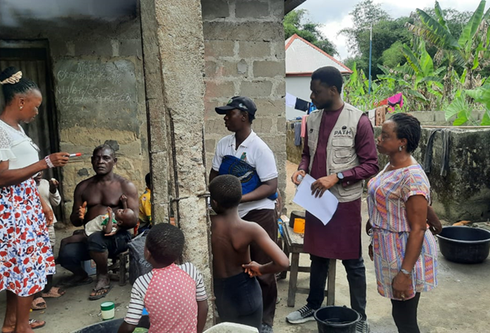
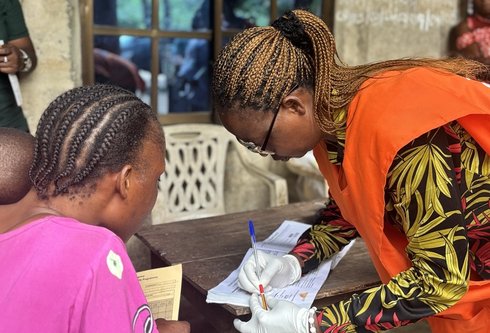
In Kebbi State, Nigeria, PATH is working to reach children who have missed all—or some—of their routine immunizations. In collaboration with local partner Sydani, the Kebbi State Primary Health Care Development Agency, Kebbi State EPI, and others, PATH deploys mobile immunization teams (MITs) to hard-to-reach settlements with the highest numbers of zero-dose and under-immunized children.
MITs include three trained staff members—a vaccinator, a recorder, and a mobilizer—who receive vaccines and supplies from the health facility and then travel to communities to conduct immunization sessions. Project activities began in four local government areas (LGAs) in August and will scale up to 16 LGAs by early 2027.
The importance of mobilization
Having vaccines available locally in the community is a welcome change for many families, allowing them to vaccinate their children without traveling long distances, stepping away from paid employment, or confronting other barriers. However, for others, the misinformation and concerns about vaccines are not overcome by simply bringing vaccination services into the community.
As in many communities, caregivers in Kebbi State have concerns about vaccines. Some worry about side effects, while others have religious or cultural concerns. At times, rumors and misinformation give caregivers pause about possible harm to their children. In some households, caregivers don’t agree on whether to vaccinate.
This is where mobilizers play a pivotal role. Mobilizers are trained to work with local leaders, health care workers, and families themselves to discuss the importance of immunization. They can respond to specific questions and concerns, dispelling rumors and providing clear information. Importantly, mobilizers offer worried caregivers an opportunity to be heard and seen.
No vaccines for Imrana
Imrana, a nine-month-old living in Mahuta Ward within the Fakai LGA in Kebbi State, had been consistently ill as an infant. His mother was worried that vaccines might make his illnesses worse, so she hesitated to start routine immunizations. Her concerns are not uncommon; many caregivers are unsure whether vaccines are safe or could worsen a child’s symptoms. Imrana’s mother did not have an opportunity to discuss her concerns with a trusted health care worker. so instead she chose not to vaccinate him.
While conducting a supportive supervision visit to MITs serving Fakai Primary Health Care Center, the local MIT identified Imrana as a zero-dose child. The team spoke with his mother and learned why she hesitated to have him vaccinated. They responded by listening, hearing her concerns, and responding respectfully to share relevant information.
Building trust through community engagement
During the community visit, PATH’s field officer collaborated with the LGA routine immunization office, community mobilizer, and village health officer to engage with Imrana’s mother. These trusted community leaders spoke with her about the importance of vaccines, the risks to Imrana if he remained unvaccinated, and the benefits of starting routine immunization, even when a child starts later than expected. “By listening respectfully and working with trusted community leaders, the team helped a caregiver take the first step toward protecting her child through routine immunization,” said Dr. Habeeb Olowu, State Program Manager for PATH.
The involvement of the village head helped foster trust during the conversation, while the routine immunization officer and mobilizer supported the discussion with relevant information about immunization. Following the positive discussion, Imrana’s mother gave consent for her child to be vaccinated. He received all age-appropriate vaccines and is due to continue his routine immunizations in one month, in line with the schedule. PATH will continue to follow up with Imrana and his mother to ensure he completes his routine immunizations.
“By listening respectfully and working with trusted community leaders, the team helped a caregiver take the first step toward protecting her child through routine immunization.”— Dr. Habeeb Olowu, State Program Manager for PATH
Turning conversations into change across Kebbi State
Imrana is one of more than 2,400 zero-dose children that PATH has identified and vaccinated since August 2026. An additional 11,900 have received the routine immunizations for which they were due. Getting children like Imrana onto the routine immunization trajectory takes a team of detail-oriented, patient, well-informed, and importantly, trusted individuals to listen and respond to caregiver’s concerns. With validation and clear, relevant information, caregivers can make informed decisions about their children’s health.
Imrana’s story demonstrates the value of caregiver counselling and collaboration between health workers, community mobilizers, and traditional leaders to reach zero-dose children. As PATH, Sydani, and local collaborators continue to scale their support into additional LGAs, the lessons and learning from communities in Fakai and elsewhere will inform how the project evolves. Every child deserves access to preventative health services, including vaccines, and every zero-dose child reached brings Kebbi State closer to that goal.