Across Africa, a transformation is underway in health systems. The Digital Health Applied Leadership Program (DHALP) is a six-month executive coaching program, implemented with technical support from Digital Square at PATH, that prepares mid-level health system executives to successfully create and lead digital health initiatives that strengthen health systems across the continent.
Following a successful pilot that trained 41 leaders from five countries, DHALP expanded in 2025 to include Rwanda, Burkina Faso, and Zambia, engaging 60 participants who are now translating their learning into measurable systems change.
Burkina Faso: From learning to national impact

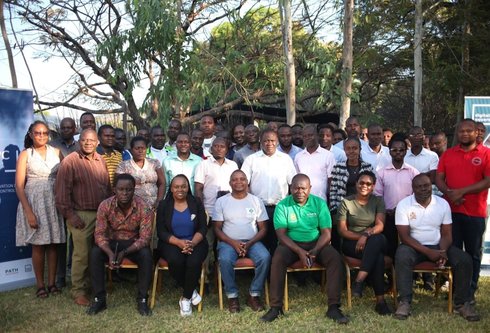
The Digital Health Applied Leadership Program's second cohort in Burkina Faso gathers at a session. Photo: PATH.
In Burkina Faso, DHALP graduates have become the driving force behind the country's Enterprise Architecture initiative—a flagship effort to strengthen governance, interoperability, and sustainability across the national health information ecosystem.
Five participants were embedded throughout the entire development process, actively participating in context analysis, use case definition, and architectural design. Their contributions ensured the resulting framework reflected national priorities and operational realities.
“This is the first time I've seen my daily health system work contextualized in such a structured global framework; now I can apply these tools to create national impact.”— Burkina Faso cohort participant

Beyond technical contributions, DHALP participants fostered crucial national ownership of the process. Through collaboration and peer learning, they helped create a common language among technical teams, policymakers, and partners.
“Before this training, enterprise architecture seemed like a foreign concept. Through the group exercises, I learned how to align our district systems with national platforms.”— Burkina Faso cohort participant

Rwanda: Digital health at the center of reform

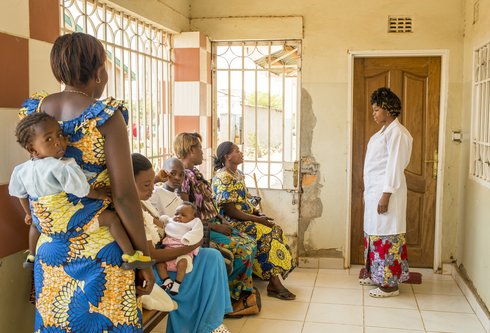
Training session for DHALP from the Rwanda cohort. Photo: Kazumuhire Consolee/Rwanda Health Informatics Alliance.
Rwanda's DHALP participants have been instrumental in shaping the country's five-year Digital Health Strategy, ensuring it aligns with broader national reforms and digital priorities.
Dr. Alice Nsengiyumva, from the Ministry of Health's Health Workforce Development Department, exemplifies this systems-level thinking. She and fellow participants have ensured that Rwanda's ambitious 4x4 Health Workforce Reform—which aims to quadruple the country's health workforce—includes a strong digital literacy and innovation agenda.
“DHALP has not only been about personal growth, but about positioning digital health at the center of systemic change. It's about preparing our health workforce for the future, leveraging innovations and emerging technologies such as AI.”— Dr. Alice Nsengiyumva, Ministry of Health Rwanda.

A tangible outcome has been Rwanda's shift from fragmented, standalone systems toward interoperability through the Rwanda Health Information Exchange, enabling secure data sharing that reduces duplication and improves efficiency.
“DHALP is a vital capacity-building initiative that should be considered a prerequisite for any digital health leader entering the health sector.”— Ministry of Health leader in Rwanda

Zambia: Bridging ICT infrastructure and health outcomes

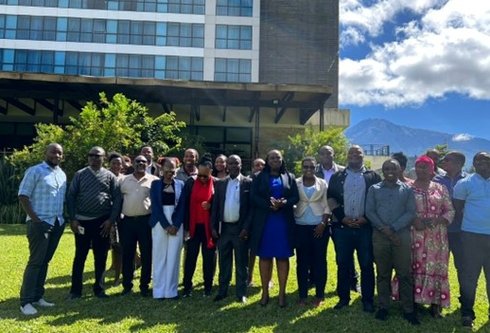
Leaders in the Zambian DHALP cohort attend an applied learning session. PATH/Daniel Ngandu.
Nina Sibonile Nkhuwa brought two decades of urban planning and ICT experience to DHALP, currently serving as Senior Project Officer at the Zambia Information and Communications Technology Authority. Through the program, she gained a deeper understanding of how digital health requires more than just infrastructure—it demands strong leadership, stakeholder collaboration, and systems thinking.
As Project Manager for the Universal Health Connect Project, Nina is applying DHALP principles to extend digital connectivity to health facilities across Zambia. By improving stakeholder engagement mechanisms and understanding diverse actor needs, she has reshaped the project to be more collaborative and impactful.
She now aspires to deepen her expertise and become a digital health consultant, building on the foundation DHALP provided.
“DHALP has helped me understand various aspects regarding the digital health programs and is shaping me to be a better leader that is considerate and aware of the surrounding environments.”— Nina Sibonile Nkhuwa, Senior Project Officer
The power of sustained leadership development

DHALP participants at a learning session. Photo: PATH.
These success stories demonstrate a fundamental truth: sustainable digital transformation requires investing in people, not just technology. DHALP participants are proving that when local leaders gain the skills to bridge strategy and implementation, they create lasting systems change that extends far beyond individual projects.
The newly launched DHALP Alumni Network ensures this impact continues to grow. By connecting graduates across Africa, the network extends learning and collaboration beyond the classroom, creating a sustained movement of digital health leaders committed to advancing equitable, interoperable health systems across the continent.
As digital health initiatives proliferate throughout Africa, programs like DHALP remind us that technology's promise is only realized through capable, visionary leadership—leadership that understands both systems and people, that bridges technical expertise with policy acumen, and that champions transformation grounded in national ownership and local context. The future of Africa's digital health transformation is being written today by the leaders DHALP is helping to develop.