Kenya, alongside the rest of the world, has pledged to end HIV in children by 2030. Significant progress has been made toward this goal, including reduction in AIDS-related deaths among children and adolescents. However, this progress has slowed, evidenced by the widening gap in antiretroviral therapy (ART) treatment coverage between adults and children living with HIV.
A 2025 World Health Organization global health observatory report highlighted significant disparities in HIV treatment outcomes between children and adults globally. In 2024, only 55 percent of children living with HIV received lifesaving HIV treatment globally, compared with 77 percent of adults. Similarly, viral suppression among children remained significantly lower at 48 percent than the 73 percent among adults, according to the UNAIDS 2024 Global Progress Report on Ending AIDS in Children by 2030.
In Kenya, the situation is similarly dire.
About 60 percent of children living with HIV are receiving ART, compared with 93 percent of adults, while 52 percent of children under 15 years old have a suppressed viral load, compared with 88 percent of adults (Kenya HIV Estimates 2026). These figures remain well below the 95 percent global target, meaning that many children are still not receiving or benefiting fully from lifesaving HIV treatment.
For children and adolescents living with HIV (CALHIV), achieving viral suppression helps reduce illness, enabling them to live longer, healthier lives. Thus, there is a need for sustained investment in interventions that improve access to, uptake of, and adherence to lifesaving HIV treatment.
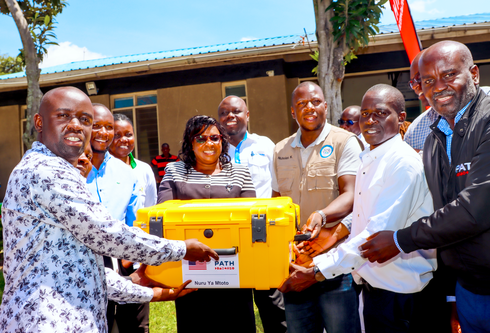
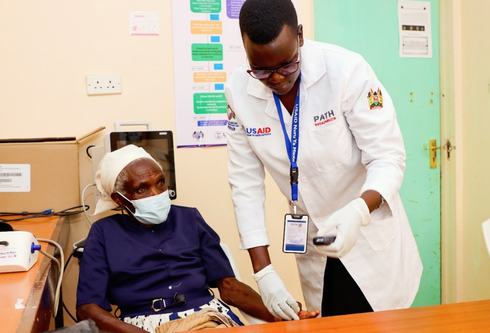
Since 2021, PATH Kenya, through the PEPFAR-funded Nuru Ya Mtoto project, has been working in Western Kenya to strengthen health systems and improve the quality of care and health outcomes for people living with HIV. The project has implemented complementary interventions that respond to the needs of children and adolescents, including engaging community case workers. These are trained community members who are supported to conduct home visits to provide adherence monitoring and support to CALHIV households; they also facilitate referral and linkages to health facilities for HIV services. Case workers play a significant role in ensuring that children on care have access to, and are supported to stay on, treatment.
In 2026, a total of 534 community case workers across the project’s focus counties of Kakamega, Kisumu, Nyamira, and Vihiga were engaged to conduct adherence monitoring for CALHIV, with particular attention to those experiencing treatment interruptions and adherence challenges.

Shadrack Anyona, a Nyamira case worker, works with the Nuru Ya Mtoto project to support children and adolescents living with HIV. Photo: PATH/Denise Akun.
Shadrack Anyona is one of the case workers engaged by the Nuru Ya Mtoto project in Nyamira to support home visits for adherence monitoring and provide CALHIV with linkages to the health facility for HIV services. Shadrack has worked with the project since 2022, supporting 38 CALHIV through development of plans for achieving and sustaining viral suppression; referral for HIV services, including viral load testing; provision of health education, with a focus on ART literacy; and referral for missed clinical appointments. As a result, all 38 CALHIV have been retained on treatment over the past four years and have achieved viral suppression.
Sharing his experiences and lessons learned during a project review meeting, Shadrack attributed his success to working closely with health facilities to monitor viral load results and ensure that children receive the support they need to lead healthy lives.
“Developing suppression plans really helps in achieving suppression, especially in children with high viral loads”— Shadrack Anyona, Nyamira case worker

For Shadrack, this close collaboration between community case workers and health facility teams is critical to ensure that children experiencing treatment challenges are identified early and supported before they disengage from care.
Sabina Nyakweba, a case worker who also serves as a community health promoter in Nyamira South, shared a similar experience. She noted that regular home visits provided her with an opportunity to understand the challenges affecting treatment adherence beyond what can be observed at the health facility. Working with CALHIV and their caregivers since 2022, Sabina has supported 31 CALHIV to be retained on treatment and to achieve viral load suppression. She accomplished this through providing ART literacy to caregivers and adolescents, identifying treatment barriers and development, and implementing suppression plans to address the treatment barriers. “The home visits have helped me understand the challenges children and their caregivers face,” she said. “Sometimes a child misses treatment because of challenges at home, and when we identify the problem, we work with the caregiver and health facility to find a solution.”
Beyond identifying challenges at household level, case workers have ensured that children who miss appointments or face treatment difficulties were promptly linked back to care.
“When we follow up on children who have missed appointments or have a high viral load in our communities, we are able to link them with the right support and develop plans that help them get back on treatment.”— Alice Jahenda, Vihiga community health promoter

In Vihiga, Alice Jahenda has been at the frontline of providing community health services for the past 15 years, currently serving as both a community case worker and a community health promoter in her village. Alice is passionate about supporting children facing health challenges. She often follows up to ensure they receive the care they need, and when necessary, she escorts them to health facilities for appropriate services. By June 2026, Alice had supported 33 CALHIV to access HIV services through escorted referral for clinical appointments, viral load testing services, and referrals for enhanced adherence counseling at the health facility for those with high viral loads.
Drawing on her experience working closely with families, she highlighted the importance of timely follow-up and strong linkage between households and health facilities. “Working closely with the health facility has made a big difference. When we follow up on children who have missed appointments or have a high viral load in our communities, we are able to link them with the right support and develop plans that help them get back on treatment,” said Alice.

Alice Jahenda, a community case worker and health promoter in Vihiga County, engages with a caregiver during a routine household visit in Givavei village. Photo: PATH/Denise Akun.
Strengthening linkages between communities and health facilities
To ensure that case workers like Shadrack, Sabina, and Alice are adequately supported, the Nuru Ya Mtoto project facilitated monthly feedback meetings with health care providers from linked health facilities. The meetings provided a platform for mentorship, updates on HIV management guidelines for CALHIV, and feedback on service delivery. These sessions also addressed challenges that affect children in hard-to-reach areas.
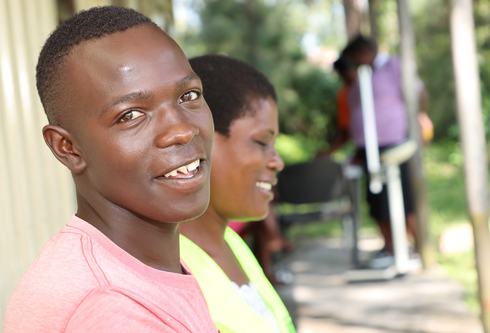
The project supported case workers to identify treatment barriers and develop responsive interventions, including linking adolescents to peers through Operation Triple Zero (OTZ) clubs. OTZ is a youth-focused approach that empowers adolescents and young people living with HIV to take greater ownership of their treatment, with a focus on zero missed appointments, zero missed doses, and zero viral load. Through OTZ clubs, adolescents share experiences and learn practical skills to improve treatment adherence and achieve viral suppression. By June 2026, a total of 4,022 adolescents were participating from 155 OTZ clubs supported by Nuru Ya Mtoto. The project equally strengthened caregivers’ knowledge and skills to better support children receiving HIV care.
By June 2026, Nuru Ya Mtoto supported 6,166 children and adolescents to access lifesaving HIV treatment, with 93 percent of those with a documented viral load result achieving viral suppression. These results also demonstrate the contribution of community case workers to address barriers to accessing treatment services at both household and health facility levels. With support from the US Department of State, the Nuru Ya Mtoto project continues to work, in close collaboration with the Ministry of Health, in 319 health facilities across Kakamega, Kisumu, Nyamira, and Vihiga Counties, strengthening sustainable health systems to deliver quality, age-appropriate HIV services that respond to the needs of children and adolescents living with HIV.