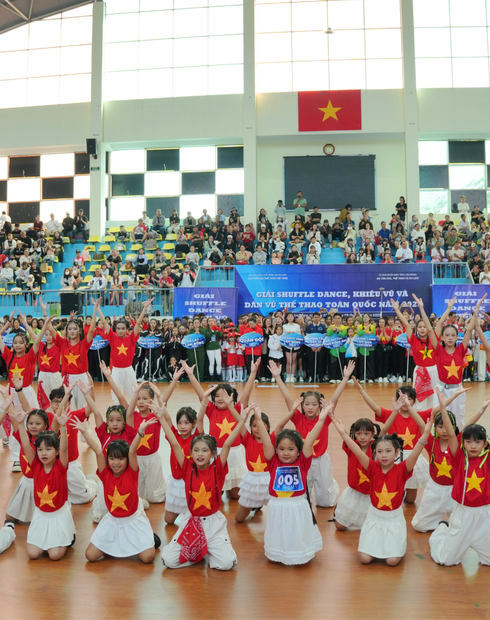
In schools and communities throughout Nepal, sport and physical activity are helping people to live healthier and more active lives. Through the Community Sport and Health Cooperation Initiative, students compete in inter-school events and community members participate in organized runs—all with the aim of preventing noncommunicable diseases through physical activity.
The result of a collaborative effort between the International Olympic Committee (IOC), the World Health Organization, and PATH, the Community Sport and Health Cooperation Initiative aims to integrate physical activity and sport into schools, health facilities, workplaces, and communities, in support of the IOC’s Olympism365 Strategy. The initiative is being implemented in Ghana, Nepal, Peru, Tanzania, and Vietnam.
Bringing sport into schools
In Nepal, the initiative has successfully integrated physical activity into schools. In January 2026, an inter-school sports competition brought together over 160 students from seven government schools across Lalitpur district at Tika Vidhyashram Secondary School in Sanepa.
The competition featured multiple sports events, including kho-kho (a traditional sport similar to tag), 100-meter races for boys and girls, and volleyball. For many student participants, like Ganga Khadka who participated in the kho-kho event, the competition presented an opportunity to build confidence and aspire to greater achievements in sports.
“I was very happy to participate in the female kho-kho competition. Events like this motivate us to work hard and even dream of becoming national or international players in the future," Ganga says.
The program also included musical and physical activity sessions,,promoting not only competition but also teamwork and healthy lifestyles among students.
“Taking part in the inter-school competition was truly encouraging. It reminded us that sports are essential for keeping ourselves physically fit and mentally active.”— Anil Rokka, 100-meter relay race participant

School representatives attending the event noted the initiative's effectiveness in bringing together local governments, schools, community groups, and youth sports clubs. They emphasized the importance of continuing and expanding sport-for-health initiatives to promote sustainable, inclusive, and age-appropriate physical activities that support students' health and wellness.
The initiative also strengthens links between the education and health sectors.
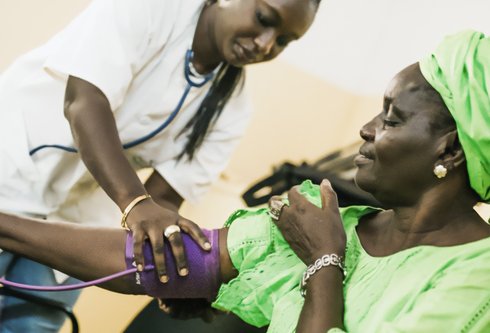
During the event, the IOC and PATH teams visited the school’s comprehensive health clinic, where a school nurse provides regular health services for students, demonstrating how sport and health services can work together to support student well-being.
Engaging communities through sport
Beyond schools, the initiative also encourages broader communities to embrace physical activity as part of daily life. On January 24, 2026, approximately 350 participants gathered at the International Club in Sanepa for the #WalkForHealth Community Run.
Organized by the initiative’s implementing partner in Nepal, Health Concern, with the Artha Run Club, the event attracted youth, families, runners, and walkers from diverse backgrounds across Sanepa. The inclusive event—which was officially started by the IOC’s Susanne Gaerte—encouraged participants to walk, jog, or run at their own pace along a six-kilometer route, promoting active lifestyles and mental well-being. Volunteers stationed along the route ensured participants' safety and comfort with water points and first-aid services.
More than 150 participants received digital certificates, recognizing their contributions and strengthening motivation for continued engagement.
“Running together as a group was a wonderful experience. It is much more fun than running alone, and it helps people connect, stay active, and enjoy their weekends in a healthy way,” remarked Adishi, a community member who participated in the run.

Community members gather for the #WalkForHealth Community Run on January 24 in Sanepa, Nepal. Photo: Rangichangi Production/Anuj Dahal and Suraj Shrestha.
Fostering collaboration across sectors
A key strength of the Community Sport and Health Cooperation Initiative has been its ability to foster collaboration across sectors.
In Nepal, the initiative actively convenes stakeholders across the Ministry of Health and Population’s Epidemiology and Disease Control Division, the National Health Education Information and Communication Centre, and the Ministry of Youth and Sports.
At the local level, municipalities—including Lalitpur Metropolitan City and Bidur Municipality—have begun integrating sport-for-health into municipal planning. In Nuwakot district, this led to the "One School, One Nurse" campaign, which supported capacity-building for youth clubs, school sports teachers, and nurses, as well as an inter-municipal girls' volleyball tournament during the first Nuwakot Sports Festival.
The initiative has also fostered discussions with the Nepal Olympic Committee to explore additional opportunities for collaboration, including capacity-building for officials on health integration, coordinating school- and community-level events to promote local sports talent among youth, and leveraging Nepal Olympic Committee’s existing network of players and associations for future initiative-hosted events.

PATH and IOC meet with the Nepal Ministry of Health and Population, the Ministry of Youth and Sports, and the National Health Education Information and Communication Center. Photo: Rangichangi Production/Anuj Dahal and Suraj Shrestha.
Building a sustainable future
Looking ahead, the Community Sport and Health Cooperation Initiative aims to become a sustainable, locally owned, and scalable model. The initiative is working with the government of Nepal to integrate learnings into Nepal’s 2026-2030 National Multisectoral Action Plan, ensuring that the connections between sport and health become embedded in national policy.
Future priorities in Nepal also include better integrating health professionals into sport-based community activities, encouraging parental and family engagement to reinforce healthy behaviors, and establishing regular reporting mechanisms with government ministries and municipalities.
By incorporating sports and physical activity into education and health care systems, the Community Sport and Health Cooperation Initiative is reducing long-term health burdens on individuals, their families, and public health systems.
Through the initiative, communities across Nepal—from Lalitpur to Nuwakot—are showcasing the vital role that sport plays in building healthier futures and more connected communities.